




CCTV News (Reporters Mai Jinting, Liu Hailin) — Guangdong Province recently released 48 typical “Robot+” application scenarios and case studies (first batch), covering 11 key sectors including manufacturing, agriculture, healthcare, elderly care services, construction, and energy.
What are the key application scenarios for robots? How can they meet the diverse needs of different customer groups? How can they boost corporate production efficiency and improve people’s quality of life? CCTV.com reporters recently visited “Robot+” enterprises in the smart home appliance manufacturing sector and interviewed relevant experts to uncover the growth trajectory and innovation strategies of Guangdong’s robotics industry.
Application Scenarios Continue to Expand
Robotic vacuum cleaners free up users’ hands, the buzzword “cyber dog-walking” frequently goes viral, and curtain wall cleaning robots that “scaleblades” eliminate safety hazards… The application of robots in the smart home appliance sector has moved from a “period of isolated intelligent breakthroughs” into a “rapid development phase of scenario-based intelligent integration,” evolving toward expansion across multiple product categories and deep integration with whole-home smart ecosystems.
Headquartered in Foshan, Guangdong Sunwill Precision Plastic Co., Ltd. is a global leader in the air conditioning fan blade industry and has established Guangdong Shunwei Automation Equipment Co., Ltd. as a wholly-owned subsidiary.
Through technological innovation, Guangdong Sunwill Automation Equipment Co., Ltd. (hereinafter referred to as “Sunwill Automation”) has made a name for itself in the development and manufacturing of automated and intelligent equipment. The company’s automatic dynamic balancing machine for cross-flow fan blades is used in the automatic dynamic balancing of such blades. It can be used as a standalone unit or integrated into a full production line, achieving compatibility across all product categories while significantly improving efficiency.
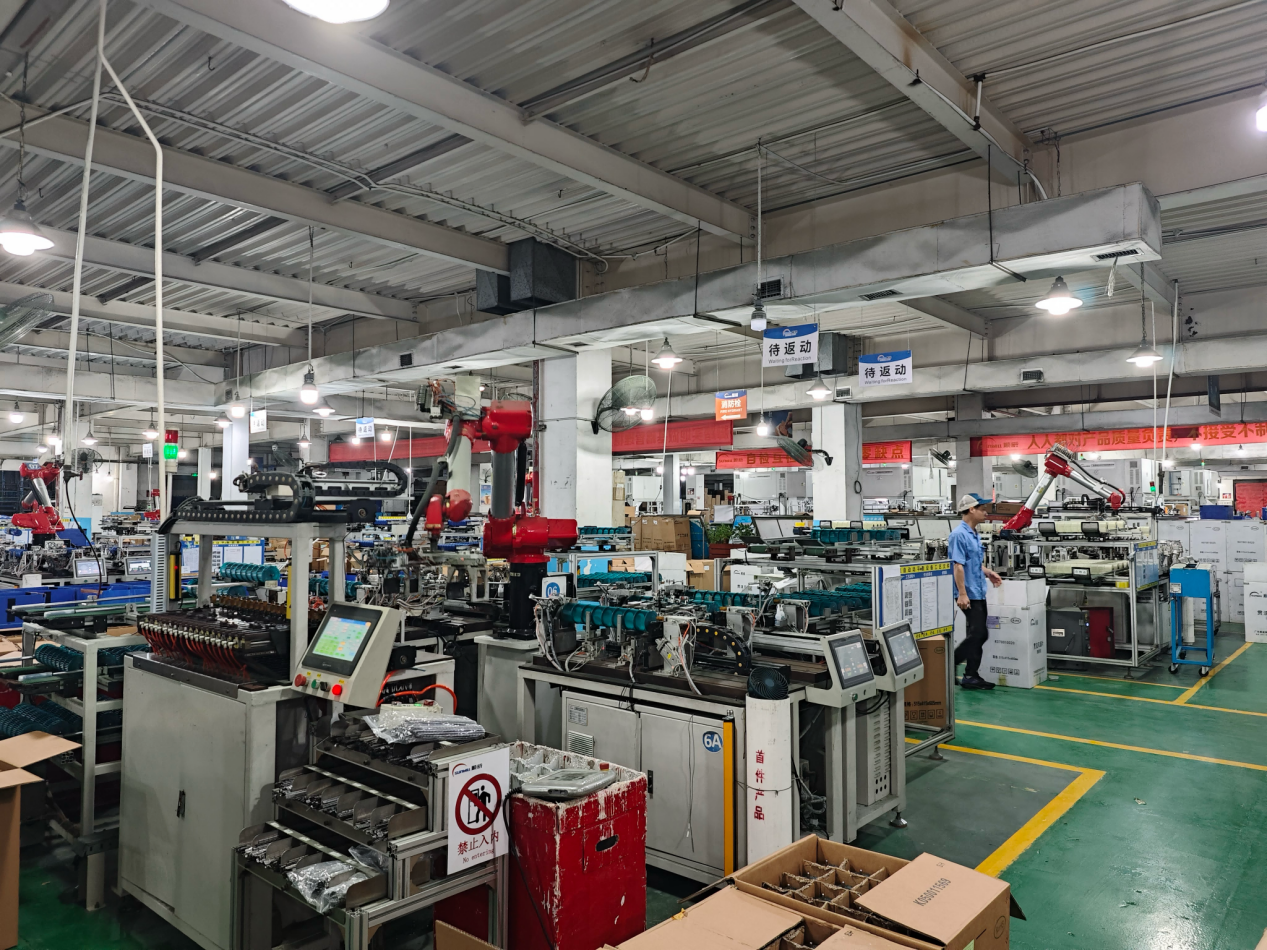
Production Workshop of Guangdong Sunwill Precision Plastic Co., Ltd.
Wang Qiang, head of the Smart Manufacturing and Information Technology Center at Guangdong Sunwill Precision Plastic Co., Ltd., told reporters that thanks to the use of automated equipment, the cost of producing a single air conditioner cross-flow fan blade is now only about one-tenth of what it was before.
“When the company was founded in 2016, it was solely to meet internal production needs, and we did not intend to market smart manufacturing equipment,” Wang Qiang explained. “Unexpectedly, after three or four years, the cost-effectiveness of the automated equipment became increasingly apparent, and clients recognizing this business opportunity began flocking to us.”
Today, Sunwill Automation offers a range of core products, including fully automatic welding machines for cross-flow fan blades, automatic balancing machines for cross-flow fan blades, intelligent production lines for cross-flow modules, and AI-powered visual inspection equipment. At the same time, the company has pioneered a “5G+” smart digital factory model, establishing a replicable and scalable framework for global collaboration and AI-assisted manufacturing. This approach enables efficient management and control across production, quality assurance, and delivery processes.
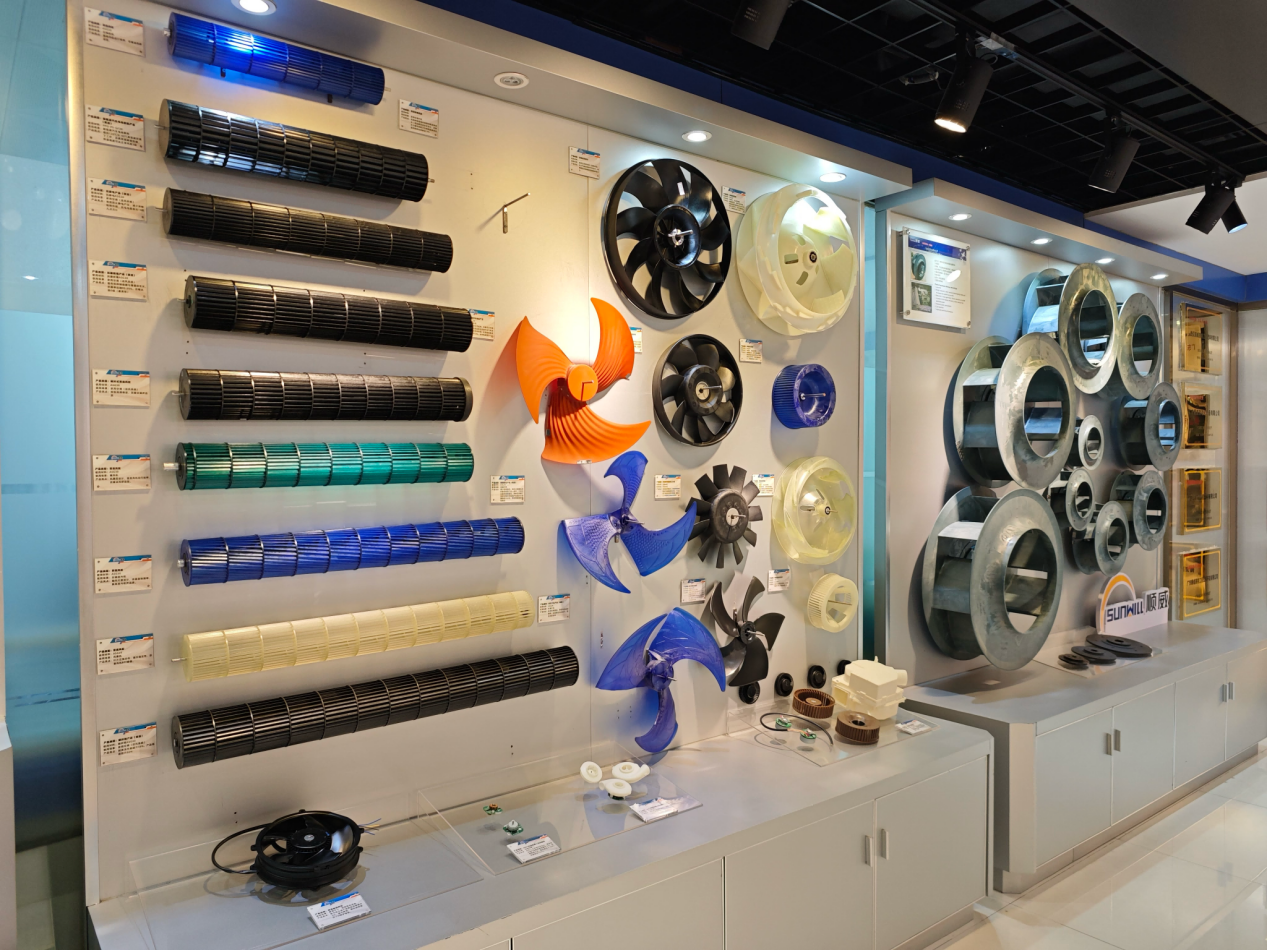
Air Conditioner Fan Blade Components
The development of Sunwill Automation serves as a vivid microcosm of how robots are currently empowering industrial upgrading and driving accelerated growth. Another robotics company dedicated to the integrated R&D, production, and application of industrial robots—Foshan Longsheng Robotics Co., Ltd. (hereinafter referred to as “Longsheng Robotics”)—has similarly reaped the benefits of the robotics sector.
In 2013, Longsheng Robotics entered the home appliance industry, becoming one of the earliest companies to deploy robotic equipment in this sector. Dai Jianfeng, Deputy General Manager of Longsheng Robotics, noted that on automated production lines, industrial robotic arms handle nearly all operations from the moment materials enter the workshop; dozens of robots may require only two or three workers. The company’s self-developed and manufactured embodied intelligent loading and unloading robots, after multiple rounds of technical upgrades, have undergone small-scale trials at several well-known home appliance manufacturers. “Core processes in China’s smart home appliance sector have largely been automated, and some leading companies have established ‘lights-out factories.’ This sector still holds significant room for future market growth,” said Dai Jianfeng.
Currently, market acceptance and demand for home service robots are steadily increasing, and the application of robots in manufacturing, services, and other sectors continues to expand. Zhang Yin, Vice Chairman and Secretary-General of the Guangdong Artificial Intelligence and Robotics Industry Alliance, commented: “The benefits of robotics technology and the expansion of application scenarios have entered a virtuous cycle. Combined with factors such as policy support, funding, technology, and talent resources, this will help propel the robotics industry toward a period of even greater growth.”
Driving the Prosperity of the Industry Ecosystem
“At first, no one really understood the concept of automation; it was simply about replacing manual labor, cutting costs, and boosting profitability,” explained Wang Qiang. By shifting from “selling products” to “selling technology,” Sunwill Automation has become a “supplier” of automation equipment. The company’s mission is to raise quality standards across the entire industry, and seeing competitors closing in has driven it to continuously strive for technological innovation and advancement.
When individual companies take the lead in adopting automation, they often drive the prosperity of the entire industry’s ecosystem. To improve product quality and enhance user experience, Longsheng Robotics has established a “full lifecycle management system” for its products and created a long-term communication mechanism with customers. From product R&D to usage, maintenance, and iterative upgrades, customers can provide real-time feedback and suggestions. “Although competition is fierce right now, continuous technological upgrades and the natural process of survival of the fittest will undoubtedly bring about new changes,” said Dai Jianfeng.
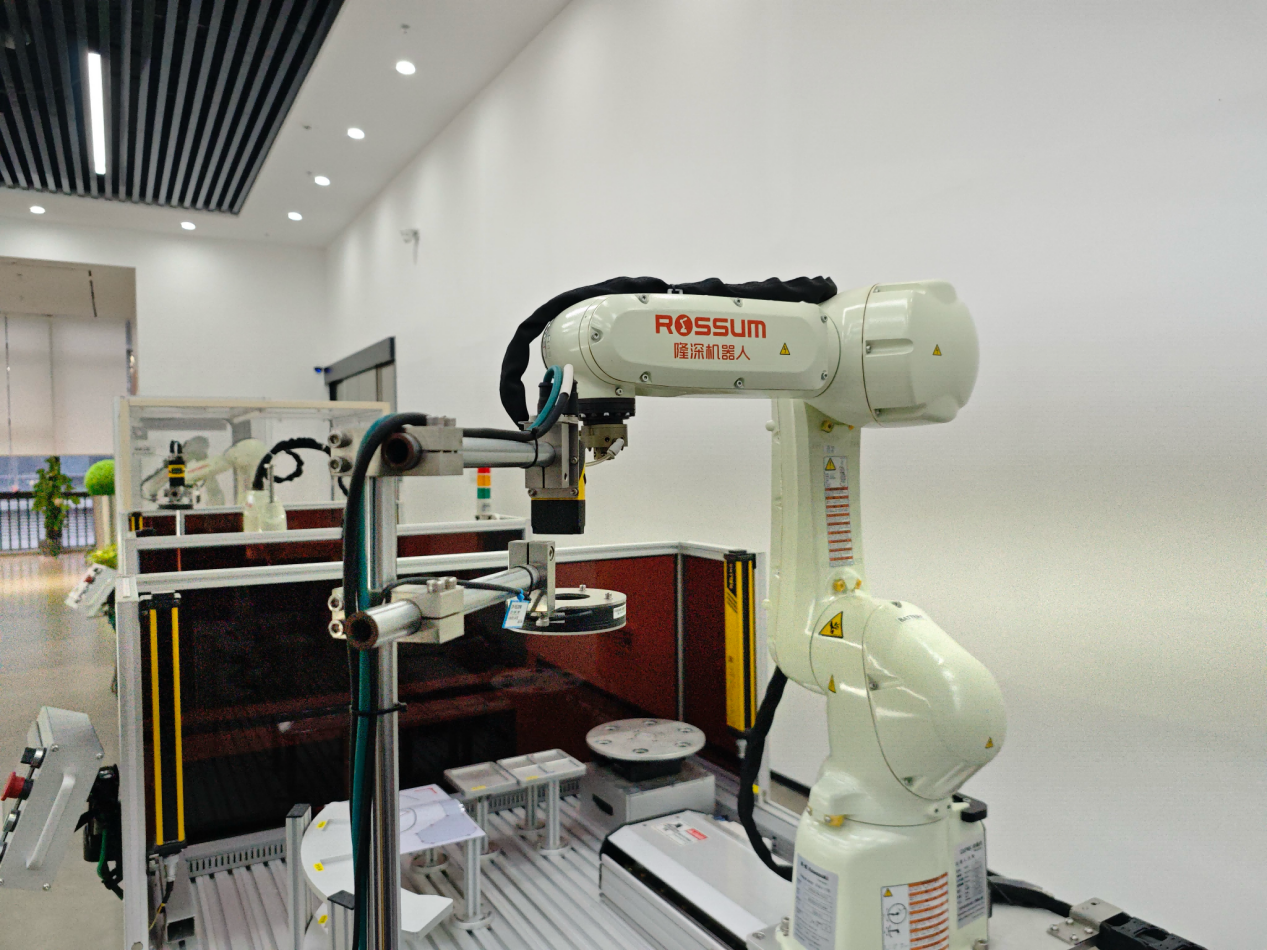
Longsheng Robotics Products
The scale effects in the robotics sector are gradually becoming evident, forming an innovation ecosystem where corporate development and industry progress resonate in unison. Zhang Yin believes that robotics technology will transform the business model of the home appliance industry. Whereas companies previously sold individual appliances, the future will involve providing “whole-home smart services.” Robots—particularly home service robots—will become the core carriers and interaction gateways for these services. Users’ homes will no longer be a collection of independent appliances, but rather a “smart entity” uniformly coordinated and managed by robots .
Evolving from “Tools” to “Partners”
Overall, smart robot terminals currently lack an “brain” capable of independent thought and still rely on human commands for decision-making and action. How will robots evolve in the future? Will they evolve from “tools” into “partners”?
Zhang Yin believes that the evolution of robots from “tools” to “partners” is highly likely. A “tool” passively executes commands, while a “partner” can understand intentions, engage in emotional communication, and collaborate with humans to complete complex tasks. In his view, the core distinction between a “tool” and a “partner” lies in whether a robot possesses the ability to think, make decisions, and act autonomously.
The key to achieving this leap lies in the evolution of a robot’s “brain” and “cerebellum.” The evolution of the “brain” will provide humanoid robots with more powerful interactive and decision-making capabilities. Breakthroughs in “cerebellum” technology will enhance robots’ motor control, improving their agility, coordination, and precision.
Another area of focus is the expansion of application scenarios. Currently, robots are increasingly being deployed in industrial manufacturing, the service sector, and specialized operations. In the future, the ultimate goal for humanoid robots is to enter households and interact with people in domestic settings. For example, a rice cooker could adjust daily meal recommendations based on the user’s dietary habits and health needs; a dishwasher could design the most water- and detergent-efficient cleaning cycle based on the daily volume of dishes and the level of grease; and a water dispenser could analyze family members’ drinking habits to automatically adjust water temperature and volume. “Driven by technological progress, smart home appliances will evolve toward artificial intelligence and brain-centric capabilities, cultivating their own ‘intelligent brains’ within their respective fields. “Smart home appliances will no longer be mere tools that simply execute commands; instead, they will be able to autonomously analyze, think, and plan based on user habits and data, providing users with more thoughtful and efficient services, thereby optimizing their living experience,” said Zhang Yin.
The pace never stops, and the next generation is even stronger. Looking to the future, from “leading enterprises” to “ecological prosperity,” the industrial blueprint for the robotics industry’s “cluster metamorphosis” is gradually unfolding.